 Fraunhofer Institute for Molecular Biology and Applied Ecology IME
Annual Report 2025/2026
Our highlights from last year
more info© Fraunhofer IME | Fabian Essfeld | edited with ChatGPT


Our R&D projects in plant health
more info
German Federal Minister Dorothee Bär visits Fraunhofer IME in Giessen
more info© Fraunhofer IME | Kim Weigand
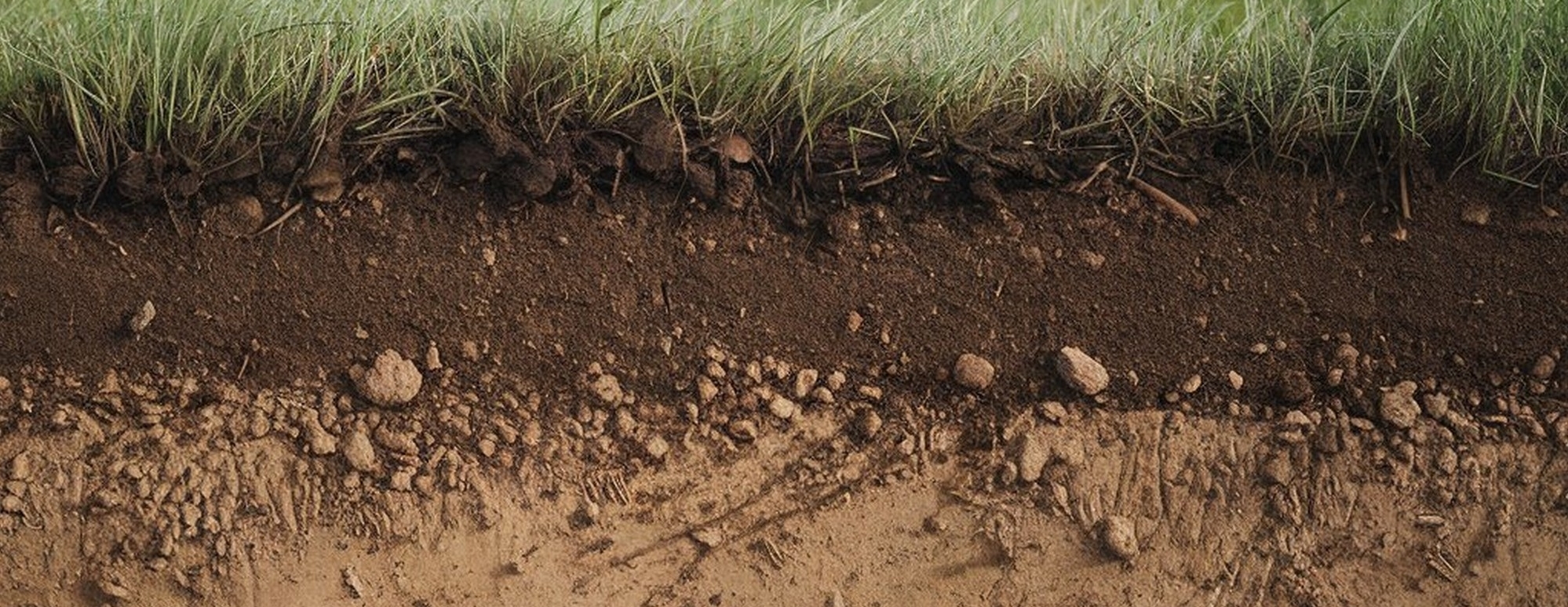
NEWS | NOV25
In this year's edition of the “Applied Ecology” newsletter, we would like to present our research work on the topic of “soil”.
more info© Shutterstock_2507141713

Jahresbericht 2025/2026
Unsere Highlights des vergangenen Jahres
more info© Fraunhofer IME | Fabian Essfeld | edited with ChatGPT
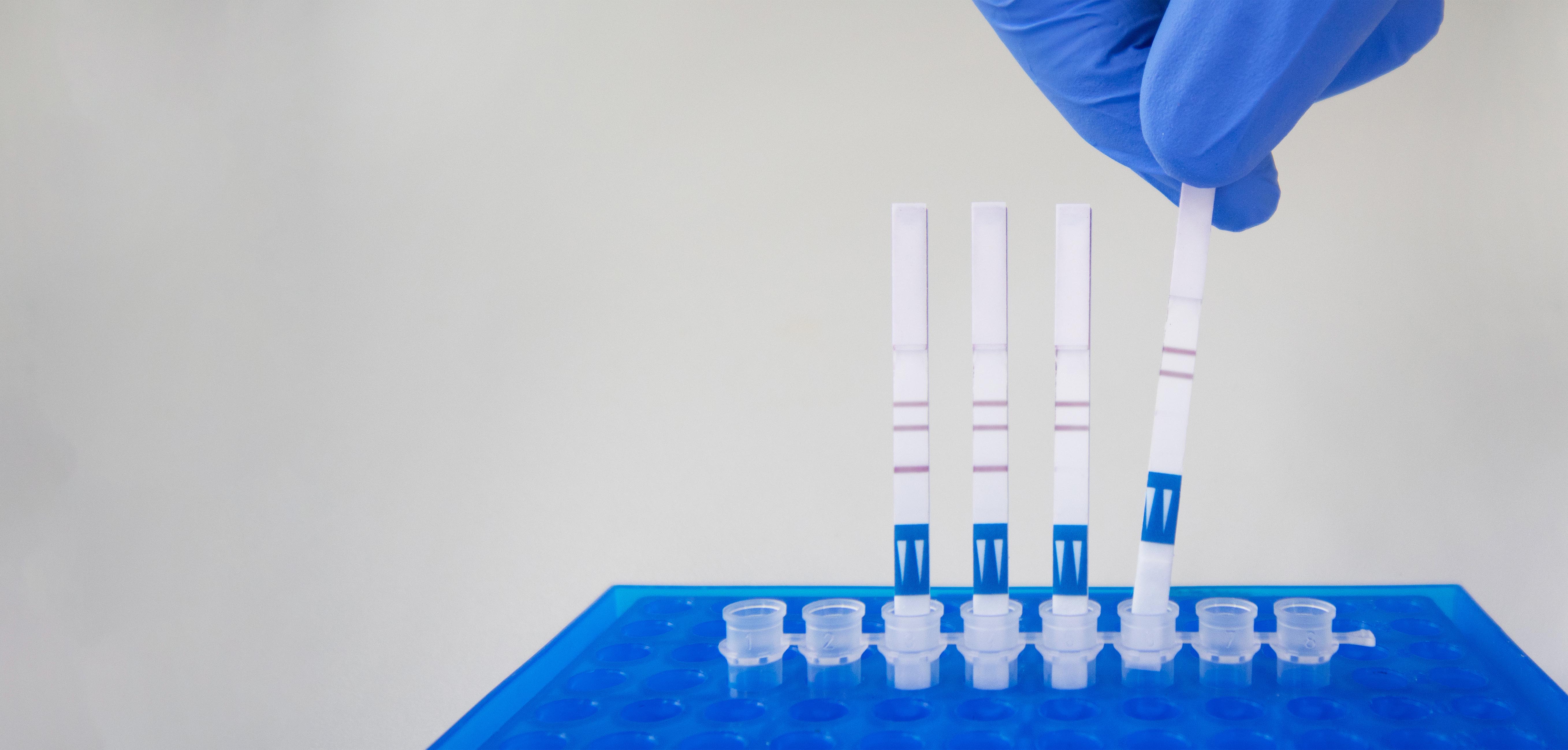
On your marks, get set, go!
We explore new ways - our crowdfunding campaign was successful! 2detect will get a reality!
more info© Fraunhofer IME | Birgit Orthen

The Fraunhofer Strain Collection
Discover the Fraunhofer Strain Collection – your source for microbial innovation potential in research and development projects.
more info© Fraunhofer IME | Eileen Knorr
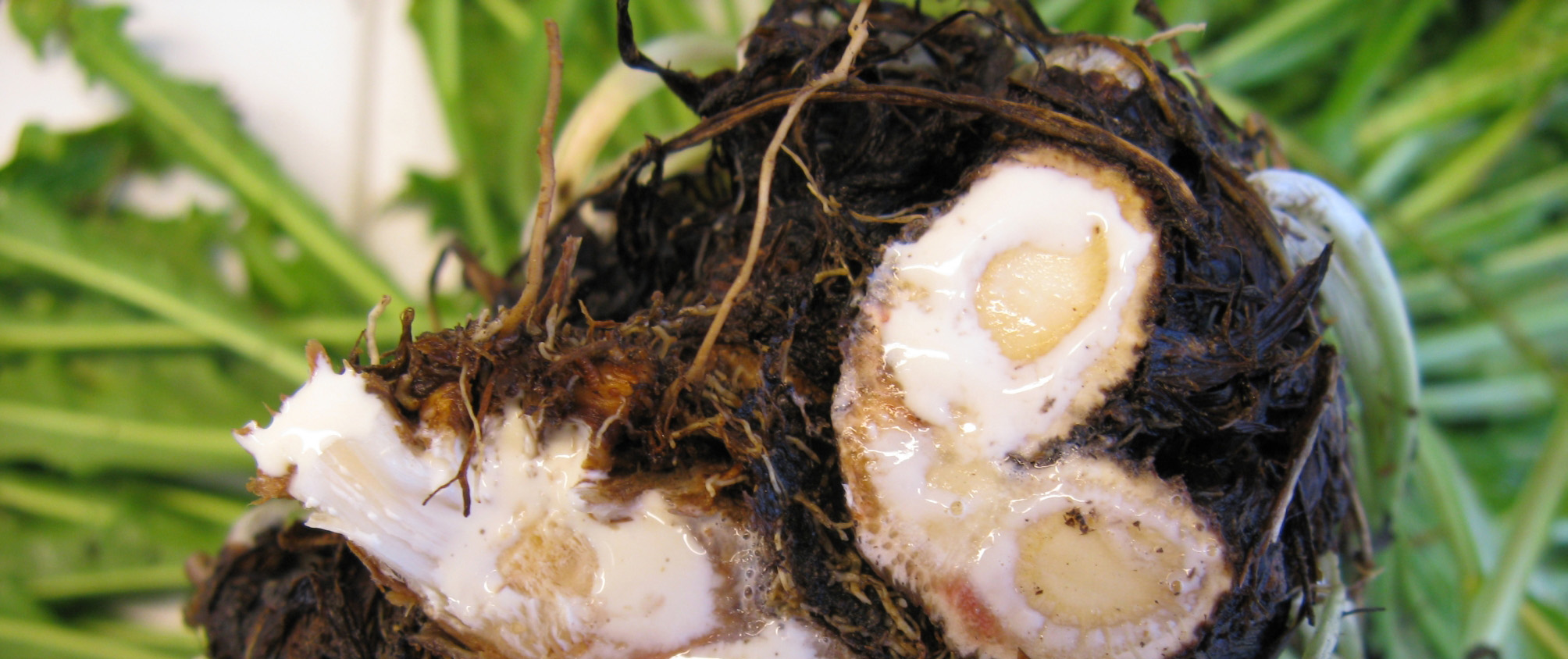
Rubber from dandelions
Scientists at the University of Münster and Fraunhofer IME identified key components of the rubber-biosynthesis
more info© Fraunhofer IME | Christian Schulze Gronover
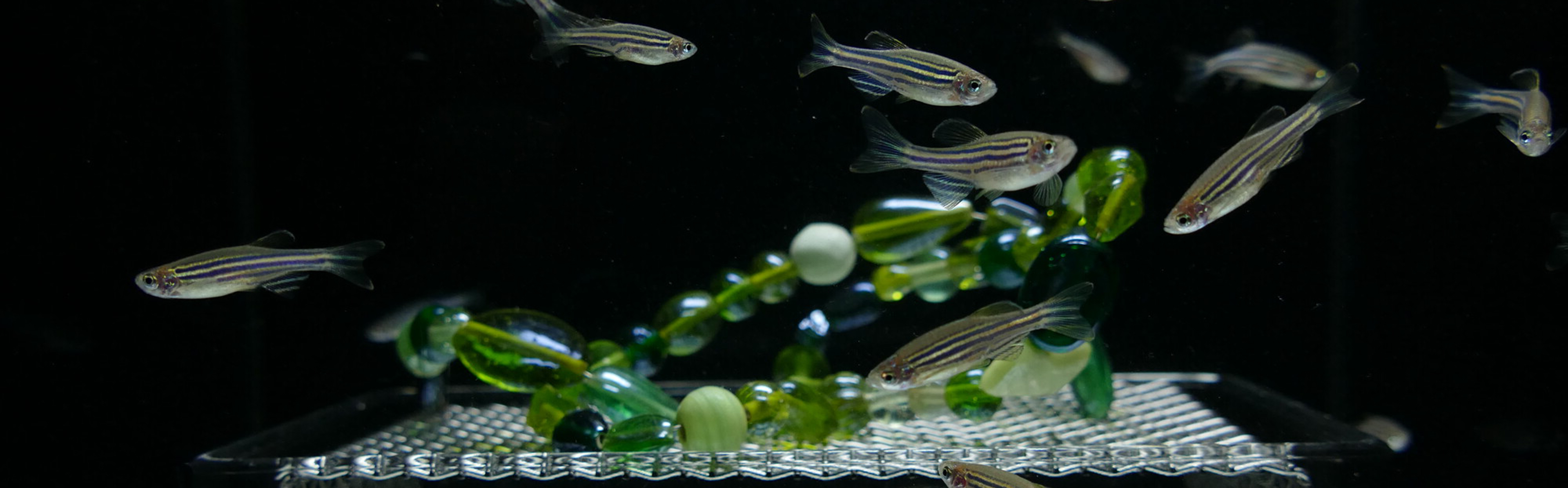
Consumer and environmental protection through risk assessment
Fraunhofer IME is the leading chronic fish testing laboratory in Europe and is a major participant in the OECD Test Guidelines Program.
more info© Fraunhofer IME | Kamil Tajer
Further Links
- Fraunhofer Group for Resource Technologies and Bioeconomy (fraunhofer.de)
- Fraunhofer Chemistry Alliance (chemie.fraunhofer.de)
- Fraunhofer Agriculture and Food Industry Alliance (food.fraunhofer.de)
- Fraunhofer Sustainability Network (fraunhofer.de)
- Fraunhofer-Gesellschaft (fraunhofer.de)
- Fraunhofer Institute for Translational Medicine and Pharmacology ITMP (itmp.fraunhofer.de)
- Fraunhofer Cluster of Excellence Immune-Mediated Diseases CIMD (cimd.fraunhofer.de)